Crochet Tutorials
Crochet tutorials
-
Tutorial – Herringbone Double Crochet (HBdc)
The herringbone double crochet stitch creates a zig-zag texture, with stitches leaning in alternate directions on each row. If you've already learned the herringbone half double crochet stitch, this is almost the same thing but with one extra step in the middle.
-
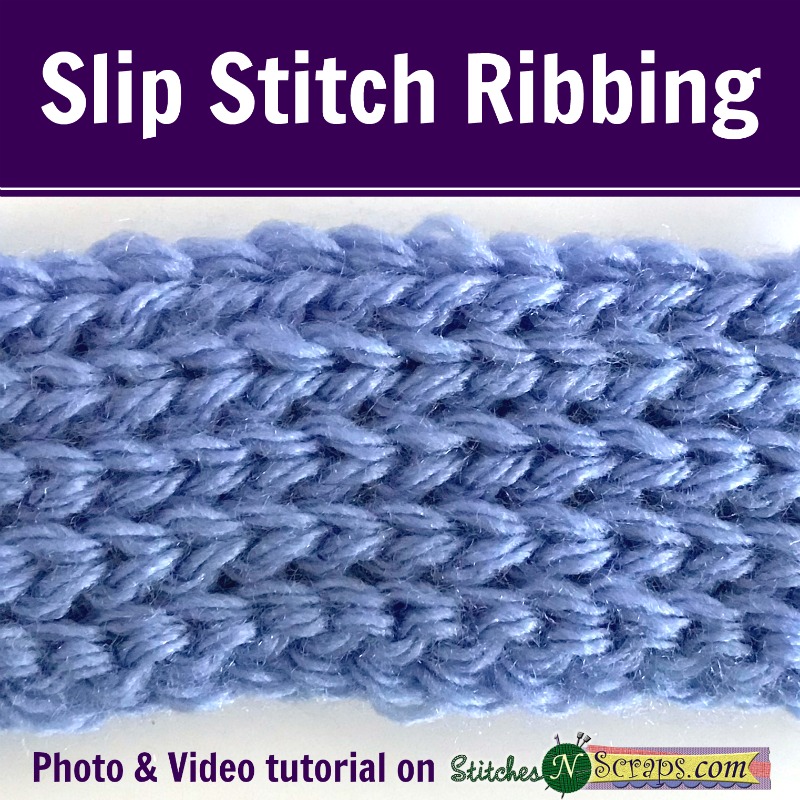
Tutorial – Slip Stitch Ribbing (sl st in blo)
Ribbing is a real workhorse, adding that perfect bit of stretch to collars, cuffs, waistbands, hats, and so much more. There are a ton of uses for ribbing, and there are lots of different techniques to create it as well! This particular technique of slip stitch ribbing produces an extremely stretchy fabric that mimics knitted ribbing.
-
Foundation Slip Stitch (fsl st) Tutorial
Use Foundation Slip Stitch to create a beautiful and strong cord for lacing, drawstrings, ties, bracelets, or trim. The best part is, there's no need to determine the length of your cord before you start. Just keep stitching until you have a length you like!
-
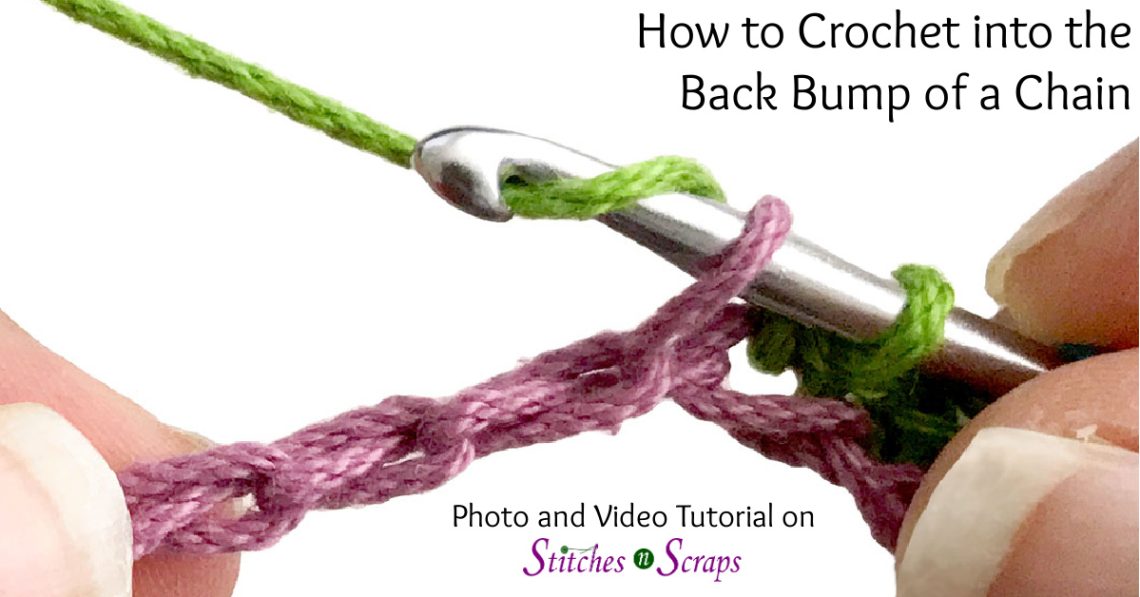
How to Crochet into the Back Bump of a Chain
There are several different ways to crochet into a chain, and all produce different results. My favorite for creating a nice, finished looking bottom edge is to crochet into the back bump.
-
Tutorial – Front & back post single crochet (fpsc, bpsc)
When you see front post and back post stitches, you almost always see them done in double crochet. The reality is, you can do them in any stitch! Working around the post turns the stitches at a 90 degree angle from the previous row. So front and back post single crochet (fpsc and bpsc) stitches are useful as textural elements, or to change the direction of your work.
-
Tutorial – Crocheting with Beads (pre-strung)
Ready to add a bit of sparkle to your crochet? There are several different ways to add beads to crochet, and all end up having a slightly different effect. In this tutorial we're looking at crocheting with beads that have been pre-strung. This means we string the beads onto the yarn first, and then work them in as we go along.
-
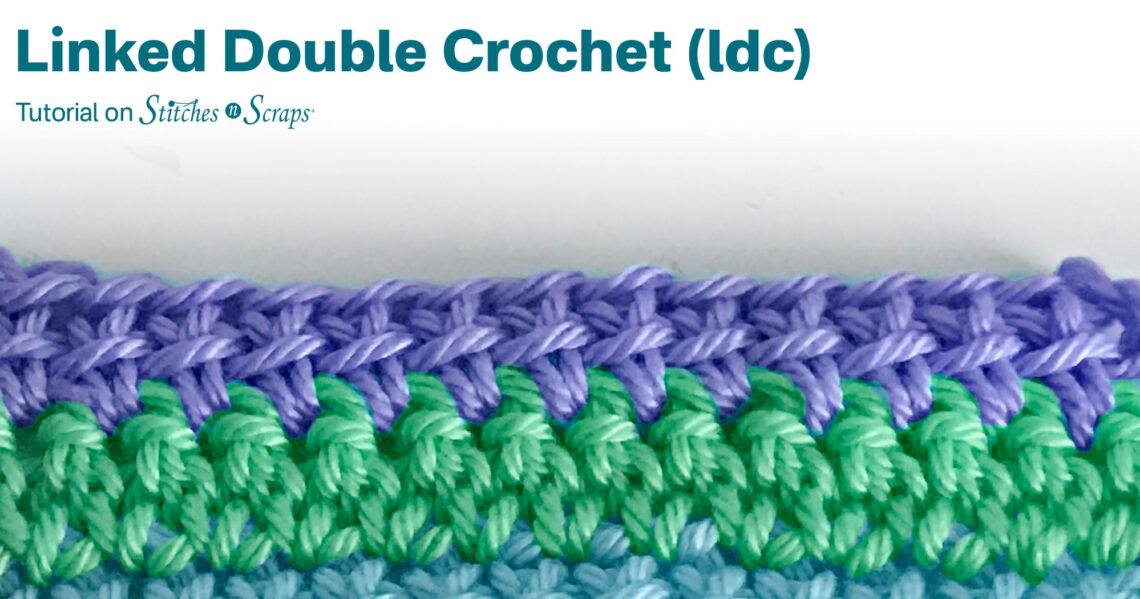
Linked Double Crochet (ldc)
Close the gaps between double crochet stitches by linking them together in the middle! Firmer and denser than regular double crochet, but not as stiff or thick as single crochet, linked double crochet is a happy medium. Try it out for button bands, edgings, and more.
-
Tutorial – Puff Stitches
Puff stitches are soft, squishy, versatile, and easy to make. Learn how with this tutorial!
-
Tutorial – Introduction to Bruges Lace
Welcome to the New Year, New Technique CAL! This week's technique is Bruges lace, and one of the patterns is my Bruges Lace Napkin Ring. If you've never done Bruges lace before, this pattern is a wonderful introduction.
-
Tutorial – Split / Center Stitches in the Round
Split or center stitches are just like normal stitches except for where you place your hook. It's much easier to work split stitches from the right side than from the wrong side, so they're particularly great for working in the round without turning your work. Normal stitches are staggered between the stitches from previous rounds. As we've discussed before, this can cause the rounds to shift. Split stitches, on the other hand, line up directly above the stitches below them, so there's no shifting!