-
Tutorial – Front & back post single crochet (fpsc, bpsc)
When you see front post and back post stitches, you almost always see them done in double crochet. The reality is, you can do them in any stitch! Working around the post turns the stitches at a 90 degree angle from the previous row. So front and back post single crochet (fpsc and bpsc) stitches are useful as textural elements, or to change the direction of your work.
-
Tutorial – Crocheting with Beads (pre-strung)
Ready to add a bit of sparkle to your crochet? There are several different ways to add beads to crochet, and all end up having a slightly different effect. In this tutorial we're looking at crocheting with beads that have been pre-strung. This means we string the beads onto the yarn first, and then work them in as we go along.
-
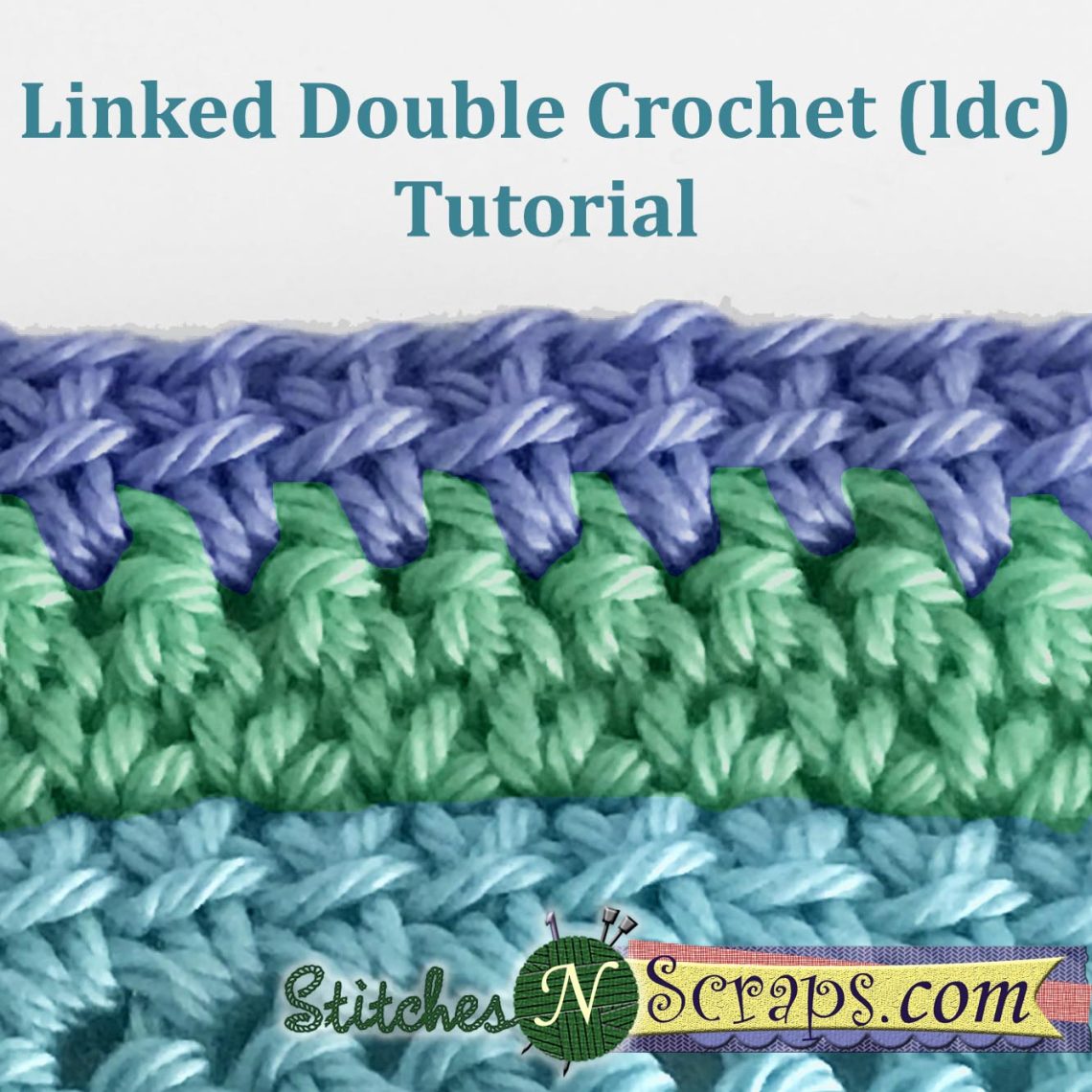
Tutorial – Linked Double Crochet (ldc)
Double crochets are fast and easy, but for some applications they are too loose and leave unwanted gaps. Linked double crochet (ldc) stitches close those gaps by linking the stitches together in the middle. This creates a firmer, denser fabric that's not quite as stiff or thick as single crochet. I love ldc for borders on lacier items. It can add shape and structure to an otherwise floppy piece, while creating a decorative edge. It's also great for things like pockets where you still want a little drape, but want to limit gaps.
-
Tutorial – Puff Stitches
Puff stitches are soft, squishy, versatile, and easy to make. Learn how with this tutorial!
-
Tutorial – Split / Center Stitches in the Round
Split or center stitches are just like normal stitches except for where you place your hook. It's much easier to work split stitches from the right side than from the wrong side, so they're particularly great for working in the round without turning your work. Normal stitches are staggered between the stitches from previous rounds. As we've discussed before, this can cause the rounds to shift. Split stitches, on the other hand, line up directly above the stitches below them, so there's no shifting!
-
Tutorial – Changing Colors
When changing colors, the goal is (usually) to get a nice, clean edge between your color sections. You don’t want to end up with any part of the first color showing in the stitches of the 2nd color. Changing Colors – Photo Tutorial: (scroll down for video tutorial) Here I have a row with a few single crochet, and I’m going to change from green to blue. Take a look at the green working loop that comes out of the last stitch. That loop is going to become the top of the next stitch. If we just start the next stitch with blue, we would end up with the bottom of the stitch…
-
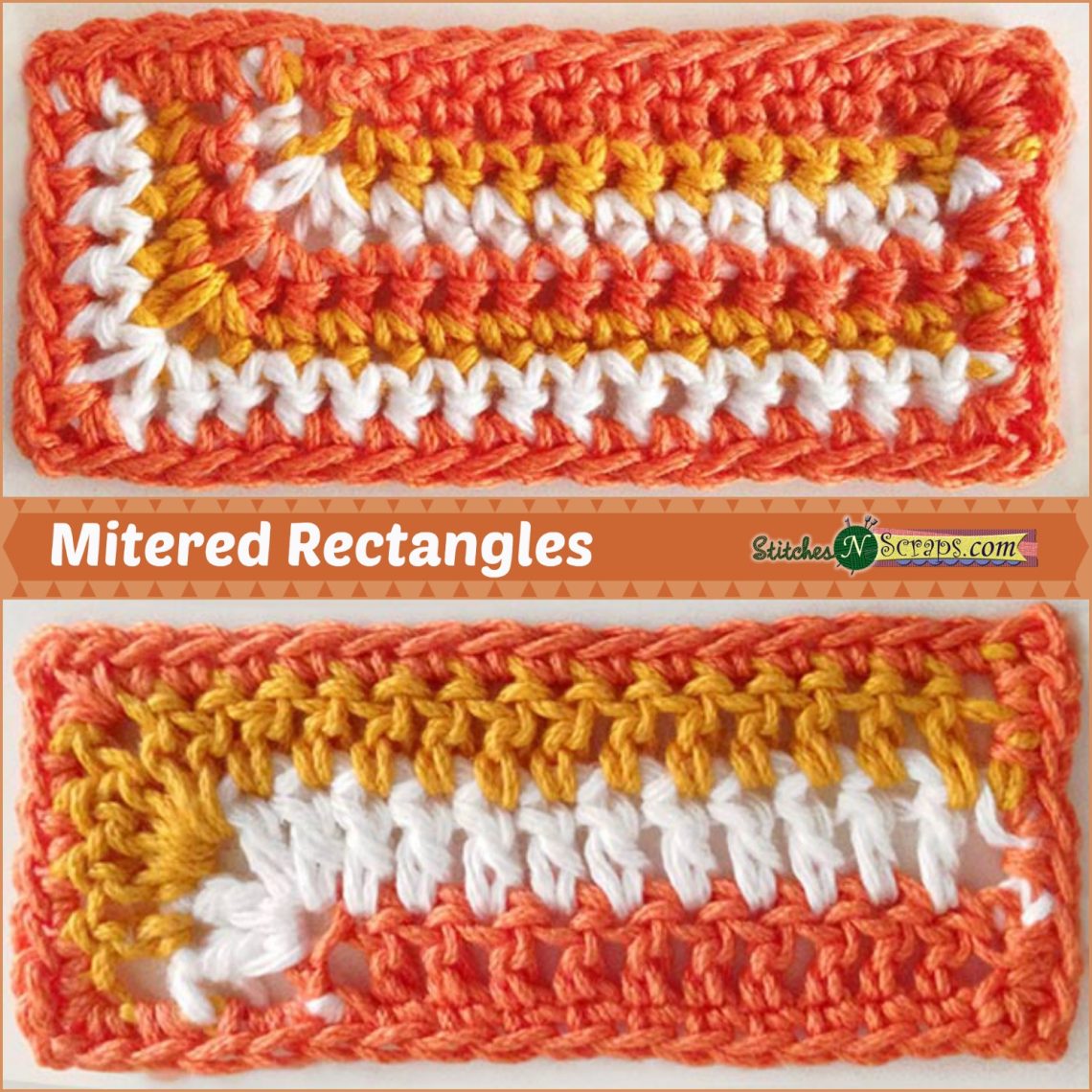
Tutorial – Crochet Mitered Rectangles
Last week we talked about mitered squares. You can use a similar technique to create mitered rectangles, though it does require a little extra planning up front. Sc Mitered Rectangle: With a mitered rectangle, the first row defines the proportions. So to start, we need to decide what we want those proportions to be. What you’re looking for is the final stitch count that you want on each side (not counting the edging). You can determine this by taking your desired length and height, and multiplying those by your stitch gauge to find out how many stitches you need on each side. For this tutorial, let’s make a rectangle that is…
-
Edging – Jacob’s Ladder
I’m mildly obsessed with Jacob’s ladders. Ever since I did the Jake’s Blankie Crochet-Along last year, I’ve been hooked. I used Jacob’s ladders in my Jacob & Julia bracelet, in my Accidental Beanie, and in my Criss Cross Applesauce square. I love the chunky, braided look, and the versatility of this stitch. A bold, Jacob’s Ladder edging just seemed like the perfect way to wrap up our 6 week discussion on crochet edgings. Basic Jacob’s Ladders: The idea of a Jacob’s ladder is to make a series of loops, and then chain those loops together. The loops can be made with chains, or with very tall stitches. If you’re working…
-
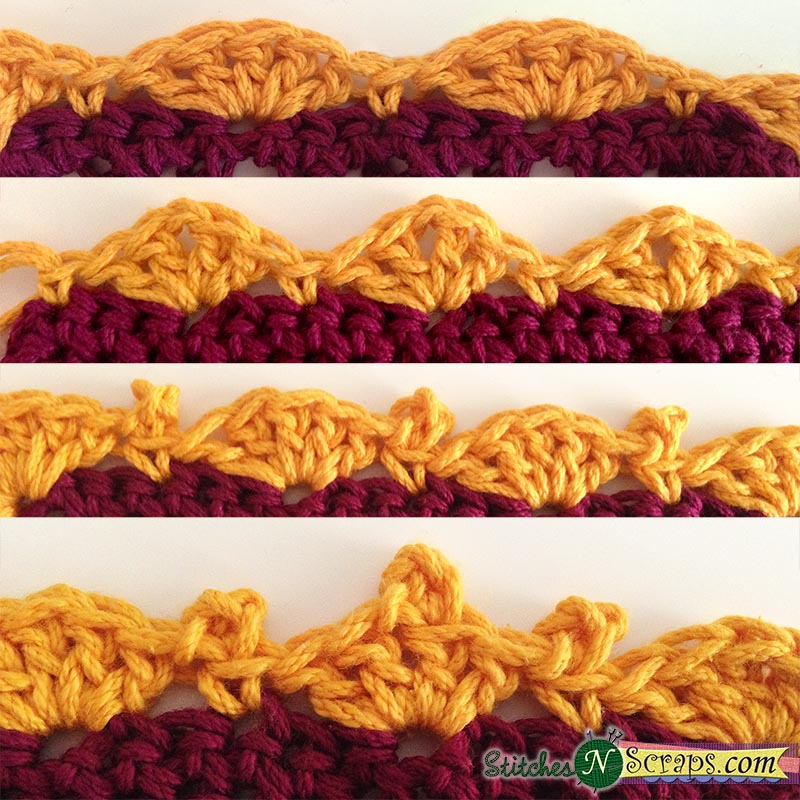
Edging – Shells and picots
Shells or fans are very popular for a decorative edging. If you get them spaced properly, they will lie flat and create a nice scalloped edge. Picots work well with shells too, and can add a little extra elegance and interest.
-
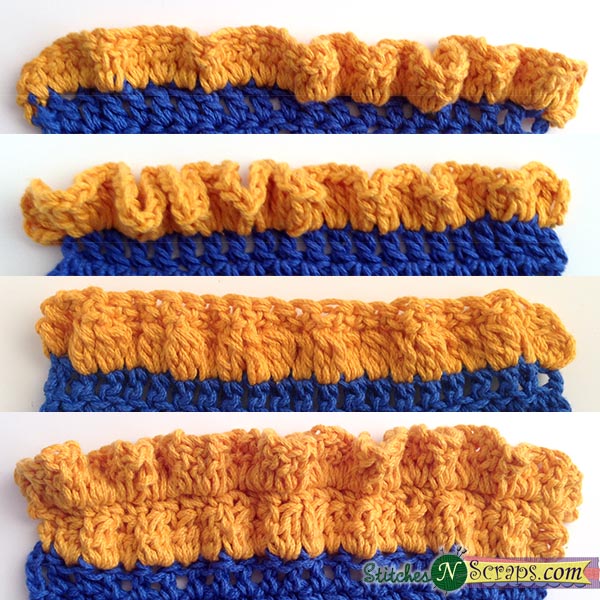
Edging – Ruffles
This week, let’s get frilly! Ruffles are a fun and versatile way to edge your projects. Almost any stitch pattern can become a ruffle. The key is to work extra stitches into every stitch. Simple DC Ruffles If you’ve seen my Anemone blanket, you’ve seen a basic double crochet ruffle. To make this edge, I just worked 2 dc in each stitch. This ruffle isn’t particularly full – since this is a baby blanket, I wanted something that wouldn’t catch on little crawling fingers and toes. You can make a ruffle as flat or as full as you want to, by adding more or fewer stitches. Here is a comparison…